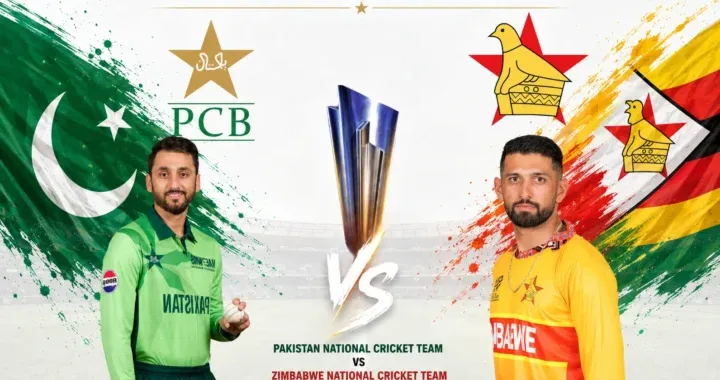
National football creates a different level of excitement because every match represents the pride and identity of an entire country. theteamlineups.com gives football supporters an easy way to follow national football lineups, player information, match previews, and important updates without unnecessary confusion. International football brings together the best available players from each nation, creating competitions where talent, teamwork, and preparation become equally important. Every tournament introduces new challenges because countries face opponents with different playing styles, tactical systems, and football traditions.
National Teams Overview
National football teams represent their countries in official international competitions and friendly matches throughout the year. Every player selected earns the opportunity through performances, fitness, consistency, and suitability for the team’s tactical approach.
Unlike club football, international teams cannot sign players from other countries to strengthen weak positions. Coaches must work with eligible players available within their own nation, making squad development a long-term process.
Every football association manages its national team while organizing training camps, friendly matches, qualification campaigns, and tournament preparations. These activities help players build chemistry despite spending most of the season with their club teams.
Supporters often develop stronger emotional connections with national teams because victories represent the country instead of a single football club.
International Match Preparation
Preparing for an international match requires careful planning because coaches usually receive limited time with the full squad. Training sessions focus on tactical organization, defensive positioning, attacking movement, and improving communication between players.
Fitness assessments also become important before every match because international football often arrives after demanding domestic league schedules. Medical staff work closely with coaches to ensure players remain physically ready throughout the international window.
Video analysis has become another major part of preparation. Coaching teams carefully study opponents to identify strengths, weaknesses, preferred formations, and attacking patterns before finalizing tactical plans.
Small adjustments during preparation frequently make a significant difference once competitive matches begin.
Choosing The Starting Squad
Selecting the starting eleven remains one of the most difficult responsibilities for every national team coach. Several talented players may compete for the same position, making every decision highly competitive.
Recent club form influences selection, although tactical balance often becomes equally important. A player performing well individually may still begin on the bench if another footballer fits the match strategy more effectively.
Experience also plays an important role during major tournaments. Veteran players often remain calm under pressure while younger teammates provide speed, enthusiasm, and fresh energy throughout difficult matches.
Substitutes are selected carefully because they may become decisive during the second half after tactical changes or unexpected injuries.
Football Formations Explained
Every national team chooses formations according to available players and the strengths of upcoming opponents. Common systems include 4-3-3, 4-4-2, 3-4-3, and 4-2-3-1, although coaches frequently modify these structures during live matches.
An attacking formation allows more players to join offensive movements, increasing opportunities to score goals. However, committing too many players forward sometimes creates defensive vulnerabilities during counterattacks.
Defensive formations provide greater stability while reducing available space for opposing attackers. Teams often adopt this approach against technically stronger opponents capable of dominating possession.
Modern football requires flexibility because formations constantly evolve depending on whether the team has possession or defends without the ball.
Importance Of Goalkeepers
Goalkeepers have responsibilities extending far beyond stopping shots. Modern football demands strong communication, accurate distribution, confident decision-making, and excellent positioning throughout every match.
Many attacks now begin from the goalkeeper because coaches encourage patient passing while building possession from defensive areas. This approach requires goalkeepers to remain comfortable using both feet under pressure.
Quick reactions remain essential because international football produces high-quality scoring opportunities where fractions of a second often determine success or failure.
Experienced goalkeepers also organize defenders during set pieces, helping maintain proper marking and positioning inside the penalty area.
Midfield Controls Matches
The midfield often determines which team controls possession and dictates the overall rhythm of the match. Players operating in this area perform several demanding responsibilities throughout ninety minutes.
Defensive midfielders protect the back line by winning tackles and intercepting passes before dangerous attacks develop. Central midfielders maintain possession while connecting defensive players with attacking teammates through intelligent passing.
Creative midfielders focus on creating goal-scoring opportunities by finding space between defensive lines and delivering accurate final passes.
Balanced midfield combinations allow national teams to defend effectively while maintaining enough creativity to challenge organized opponents.
Attacking Football Strategy
Successful attacking football depends on teamwork instead of relying only on individual skill. Players must move intelligently, create space, support teammates, and make quick decisions inside dangerous areas.
Wide players stretch defensive lines by using pace along the flanks, while central forwards concentrate on finishing opportunities created by midfielders and wingers.
Quick passing sequences often break organized defensive structures more effectively than continuous dribbling. Coaches therefore encourage movement without the ball alongside technical quality.
National teams also practice different attacking situations repeatedly because well-organized movements increase scoring chances during competitive matches.
Defensive Team Discipline
Strong defending begins with teamwork rather than individual tackling ability alone. Every player contributes by maintaining shape, tracking opponents, and closing available spaces before attacks become dangerous.
Communication remains essential because defenders constantly adjust positions according to the movement of opposing attackers. Organized defensive units reduce unnecessary mistakes by working together instead of reacting individually.
Full-backs now balance defensive duties with attacking support, making stamina and tactical awareness extremely valuable qualities.
Tournament football regularly rewards disciplined defending because close matches are often decided by a single goal or one costly defensive error.
Importance Of International Tournaments
International tournaments represent the highest level of national football because countries compete against elite opponents over several weeks. Qualification itself requires consistent performances across many competitive matches.
Tournament football tests squad depth alongside technical ability. Injuries, suspensions, and fixture congestion often require coaches to rotate players while maintaining overall team quality.
Pressure naturally increases during knockout rounds because one defeat immediately ends the campaign. Teams therefore focus heavily on concentration, discipline, and tactical execution.
International tournaments also provide valuable experience for younger players who may become future leaders of the national team.
Growing Through Football Knowledge
Following national football becomes much more enjoyable when supporters understand tactics, formations, player responsibilities, and squad selection processes instead of watching only the final score. Every match provides opportunities to learn something new about teamwork, preparation, and international competition.
Read also :-
suriname national football team vs mexico national football team lineups
fc barcelona vs real madrid lineups
chile national football team vs argentina national football team lineups