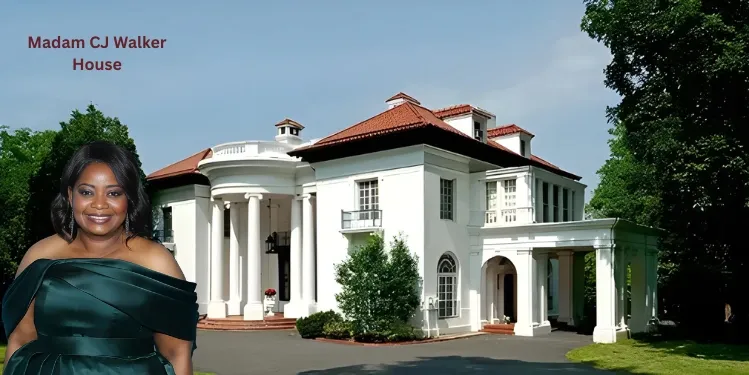
Political residences often look like beautiful buildings from the outside, yet their real importance goes far beyond impressive walls and carefully maintained gardens. These places are where presidents, prime ministers, monarchs, and other national leaders spend long working days while making decisions that affect millions of people. Many visitors admire the architecture first, although history usually becomes the strongest reason people remember these locations afterward.
Unlike ordinary government offices, political residences combine personal living areas with official meeting spaces, strict security systems, and ceremonial rooms. Some buildings have survived wars, major political changes, and countless leadership transitions across different generations. Every country develops its own traditions, making each residence unique despite sharing similar responsibilities. Looking closely at these buildings reveals much more than expensive construction or famous addresses because they quietly reflect national identity.
Historical Foundations Matter
Many official residences started with completely different purposes before becoming homes for national leaders. Some were royal palaces, while others began as private mansions purchased by governments many decades later. Those earlier roles often shaped their layouts, decorative styles, and surrounding landscapes in surprising ways.
Older residences frequently include restored rooms that preserve important historical events without changing their original appearance too much. Governments usually invest heavily in preservation because these buildings represent national heritage alongside modern administration. Restoration projects require skilled architects, historians, and conservation specialists working together carefully over several years.
Visitors often expect luxury first, although historical significance usually carries greater value than expensive furniture or decorative artwork. Every preserved hallway, staircase, and meeting chamber helps document political developments across different periods without relying entirely on written records.
Everyday Government Functions
People sometimes imagine leaders relaxing inside these residences throughout the day, although reality looks considerably different under normal circumstances. Official schedules often begin early with security briefings, intelligence reports, policy discussions, and diplomatic meetings before public events even start.
Private family spaces remain separated from official working areas whenever possible, helping maintain at least some personal privacy despite constant public attention. Conference rooms, reception halls, press areas, and secure communication facilities operate almost continuously during busy political periods.
Modern residences also support international diplomacy through carefully organized state dinners, bilateral meetings, and ceremonial welcomes. Every event follows detailed planning involving protocol officers, security agencies, hospitality teams, and technical specialists working together behind the scenes.
The practical design of these buildings allows national leadership to function efficiently without requiring constant travel between multiple government locations during important situations.
Security Never Stops
Security remains one of the most noticeable differences separating political residences from ordinary government buildings across the world today. Protection involves much more than visible guards standing outside large entrance gates throughout the year.
Advanced surveillance systems, controlled access points, reinforced structures, emergency response plans, and cybersecurity measures all operate together continuously. Security strategies regularly change according to evolving risks instead of remaining fixed for many years.
Visitors attending official ceremonies usually complete extensive screening procedures before entering restricted sections of the property. Staff members also follow carefully designed identification protocols throughout daily operations, reducing unnecessary security concerns while maintaining professional efficiency.
Strong protection allows leaders to continue national responsibilities during unexpected emergencies without creating unnecessary disruptions to essential government functions.
Architectural Identity Remains
Architecture communicates national values more effectively than many people immediately recognize during casual visits. Every residence reflects historical influences, cultural traditions, political priorities, and available construction techniques from the period when it was originally built.
Some countries prefer grand classical designs featuring large columns and symmetrical layouts that emphasize stability and tradition. Others choose simpler architectural approaches representing transparency, practicality, and modern governance instead of overwhelming visual displays.
Interior decoration follows similar patterns through locally produced artwork, traditional furniture, handcrafted materials, and symbolic decorative elements. These choices quietly express national identity without requiring lengthy explanations during diplomatic visits.
The careful balance between historical preservation and modern functionality remains challenging because government operations continue evolving alongside changing technological requirements.
Public Access Changes
Many famous political residences welcome visitors during selected periods without interfering with official government activities. Guided tours usually focus on historical rooms, ceremonial halls, gardens, museums, and preserved collections instead of active working spaces.
Educational programs help students understand constitutional systems, national leadership responsibilities, and historical developments through direct observation rather than classroom discussions alone. Interactive exhibitions often improve visitor engagement by presenting historical documents, multimedia displays, and restored artifacts together.
Tourism connected with these residences also benefits surrounding communities through hotels, restaurants, transportation services, and local businesses serving domestic and international visitors throughout different seasons.
Public access policies differ significantly between countries because security requirements, political traditions, and operational needs vary considerably across governments.
Global Diplomatic Importance
Official residences frequently become the setting for negotiations involving international trade, defense cooperation, humanitarian assistance, and environmental agreements. The physical environment often influences diplomatic interactions more than many observers initially realize.
Carefully planned meeting rooms support confidential discussions while ceremonial spaces create respectful settings for formal agreements and official announcements. National symbols displayed throughout these buildings reinforce diplomatic traditions without distracting from practical negotiations.
Foreign leaders usually experience carefully organized hospitality reflecting cultural customs alongside professional diplomatic protocol. Meals, gift exchanges, ceremonial welcomes, and official photographs all contribute to building stronger international relationships.
Successful diplomacy depends primarily upon thoughtful discussions, although professional surroundings certainly help establish confidence and mutual respect between participating nations.
Modern Challenges Continue
Political residences increasingly face practical challenges beyond traditional maintenance and security responsibilities. Climate resilience, energy efficiency, digital infrastructure, and accessibility improvements now require long-term planning alongside historical preservation.
Older buildings sometimes need hidden technological upgrades supporting secure communications without damaging valuable architectural features. Engineers often develop customized solutions instead of relying upon standard commercial installations.
Environmental sustainability has also become increasingly important because governments seek reduced energy consumption while preserving historically significant structures. Solar technologies, efficient lighting systems, improved insulation, and responsible water management occasionally integrate carefully with existing designs.
Balancing heritage protection against modern operational requirements remains complicated, requiring cooperation between government officials, conservation experts, architects, and technical specialists.
Conclusion
Political residences represent much more than prestigious homes occupied by national leaders because they combine history, governance, diplomacy, culture, and security within a single location. Understanding their broader purpose helps explain why governments invest substantial resources into preserving and protecting these remarkable buildings for future generations. famehouseworld.com explores subjects like these by examining the history, purpose, and global importance behind well-known political residences with practical and factual information. Learning about these places offers valuable insight into how countries present themselves both domestically and internationally. Continue exploring trusted resources, compare architectural traditions across nations, and stay curious about the institutions shaping modern government around the world.
Read also:-